Published 05 Jun 2026. For services, prices, and deadlines, verify the latest information with the linked sources.
Krakow’s UNESCO City of Literature status is easy to turn into a decorative line on a brochure. That would miss the point. The status is valuable because it connects institutions, habits, and audiences: festivals, publishers, translators, academic life, independent bookshops, libraries, and the everyday act of meeting around a text.
What to know
The official UNESCO Creative Cities profile places Krakow inside an international network, but the local question is more concrete. Does the designation help a small publisher find readers? Does it strengthen translation and public programming? Does it support literary education outside elite rooms? A title matters only when it changes the infrastructure behind the title.
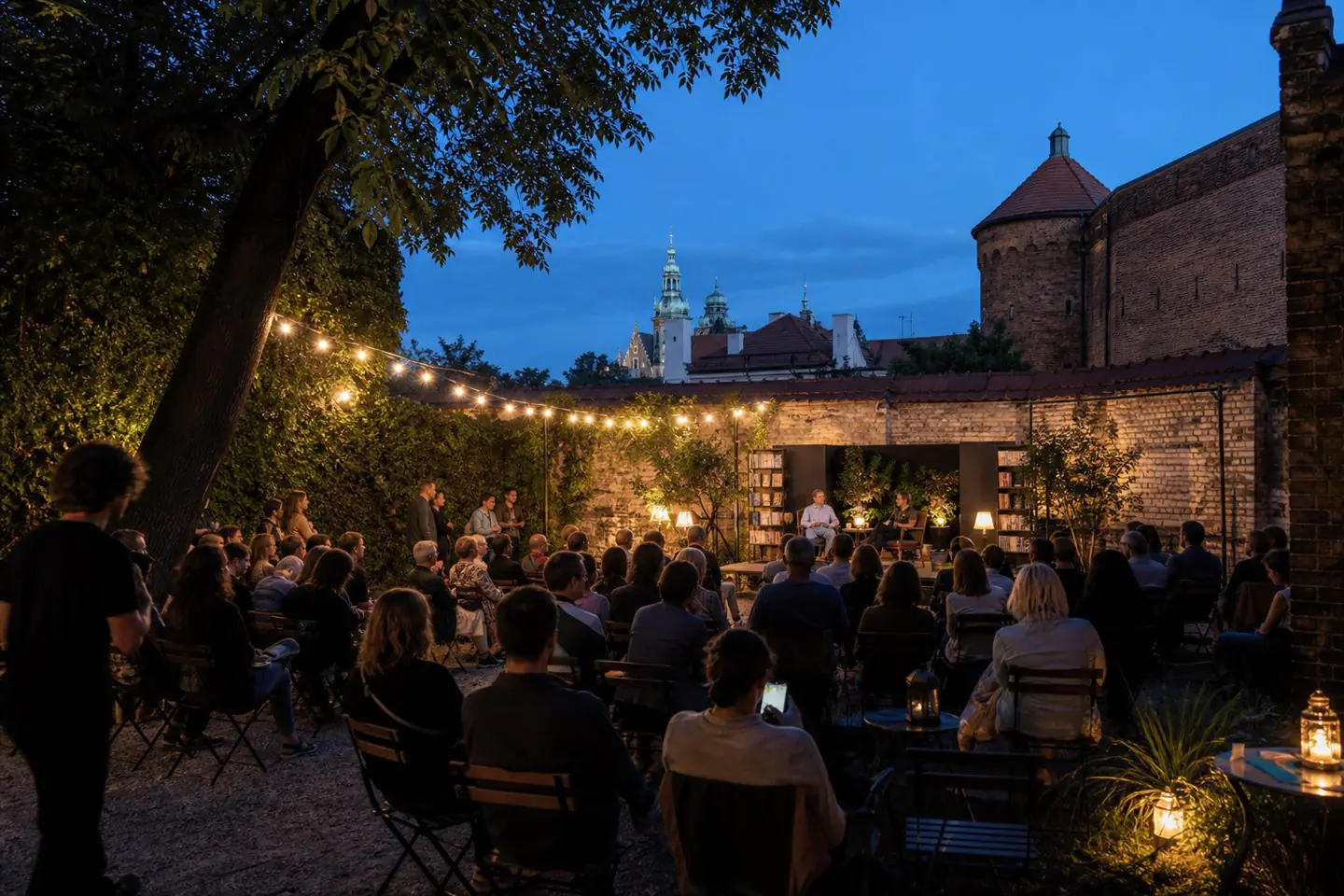
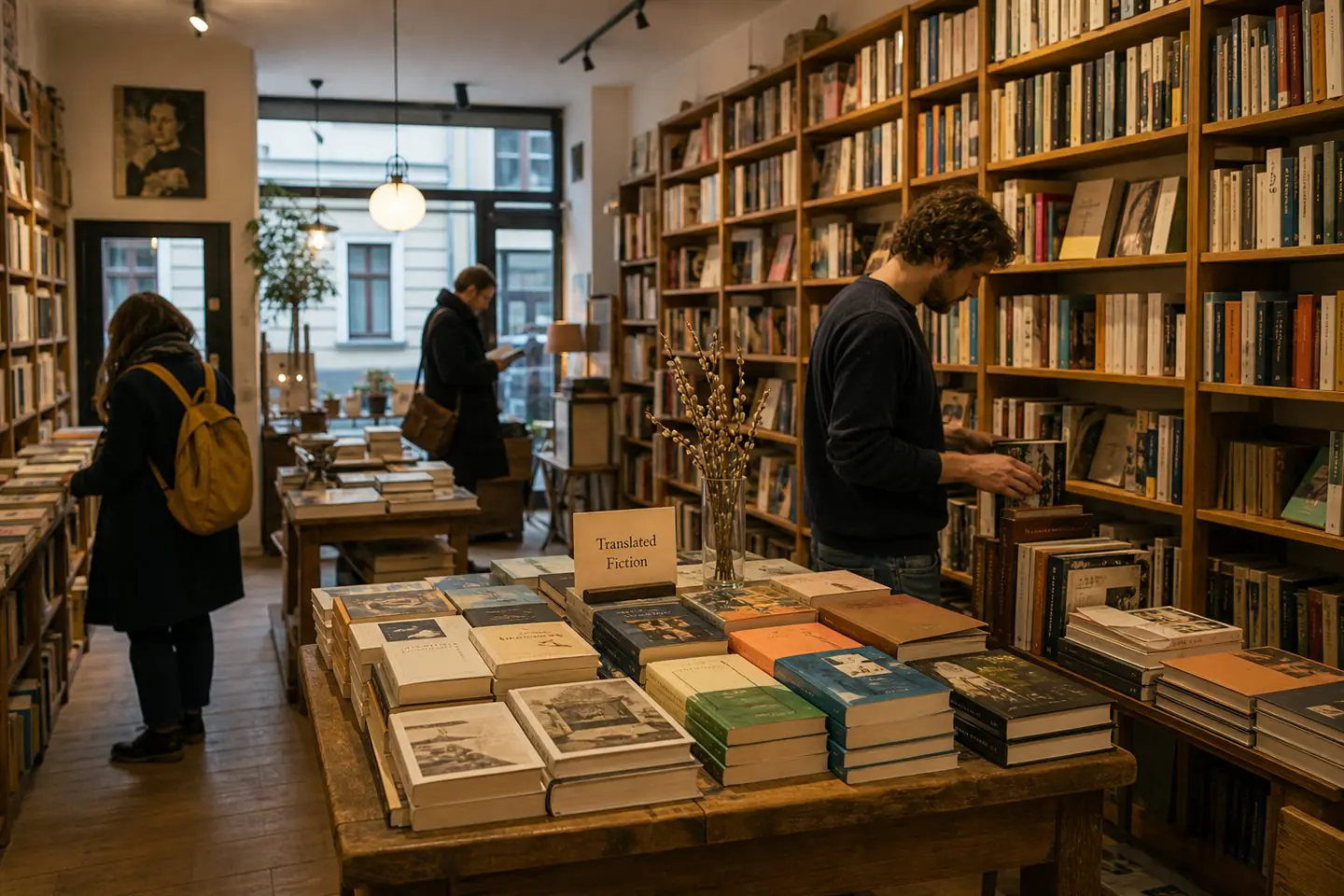
For English-language readers, the literary city can be a strong way into Krakow beyond museum routes. Bookshops and libraries reveal the city’s rhythms more quietly than monuments do. A festival can bring international attention, but a weekday reading room or a neighborhood event shows whether the literary culture has become part of ordinary civic life.
What it means
For Polish readers, the challenge is different. The phrase "Miasto Literatury" is familiar enough that it can become background noise. Coverage should ask what programs are funded, who is included, how Polish and international audiences meet, and how the city protects the independent spaces that make literature visible between major events.
Vistula Ledger will cover Krakow culture by following the network, not only the headline festival. The reliable culture story is often a chain of smaller decisions: a venue staying open, a translation program surviving, a children’s workshop returning, or a bookshop becoming a place where a neighborhood can still argue in public.
Sources
UNESCO Creative Cities NetworkKrakowAccessed: 08 Jun 2026KBFKrakow UNESCO City of LiteratureAccessed: 08 Jun 2026Found an error? Request a correction.