
Published 29 May 2026. For services, prices, and deadlines, verify the latest information with the linked sources.
Warsaw’s cost of living is often reduced to rent, but rent is only the most visible line. A realistic monthly budget also includes transport, food, utilities, phone and internet, health costs, education, clothing, services, social life, and the premium paid for convenience when time runs out.
What to know
Official statistics help set the frame, especially wages, employment, housing completions, and business activity. But a household budget converts averages into choices. A high average wage does not make a room affordable for a student or make childcare easy for a family in the wrong location.
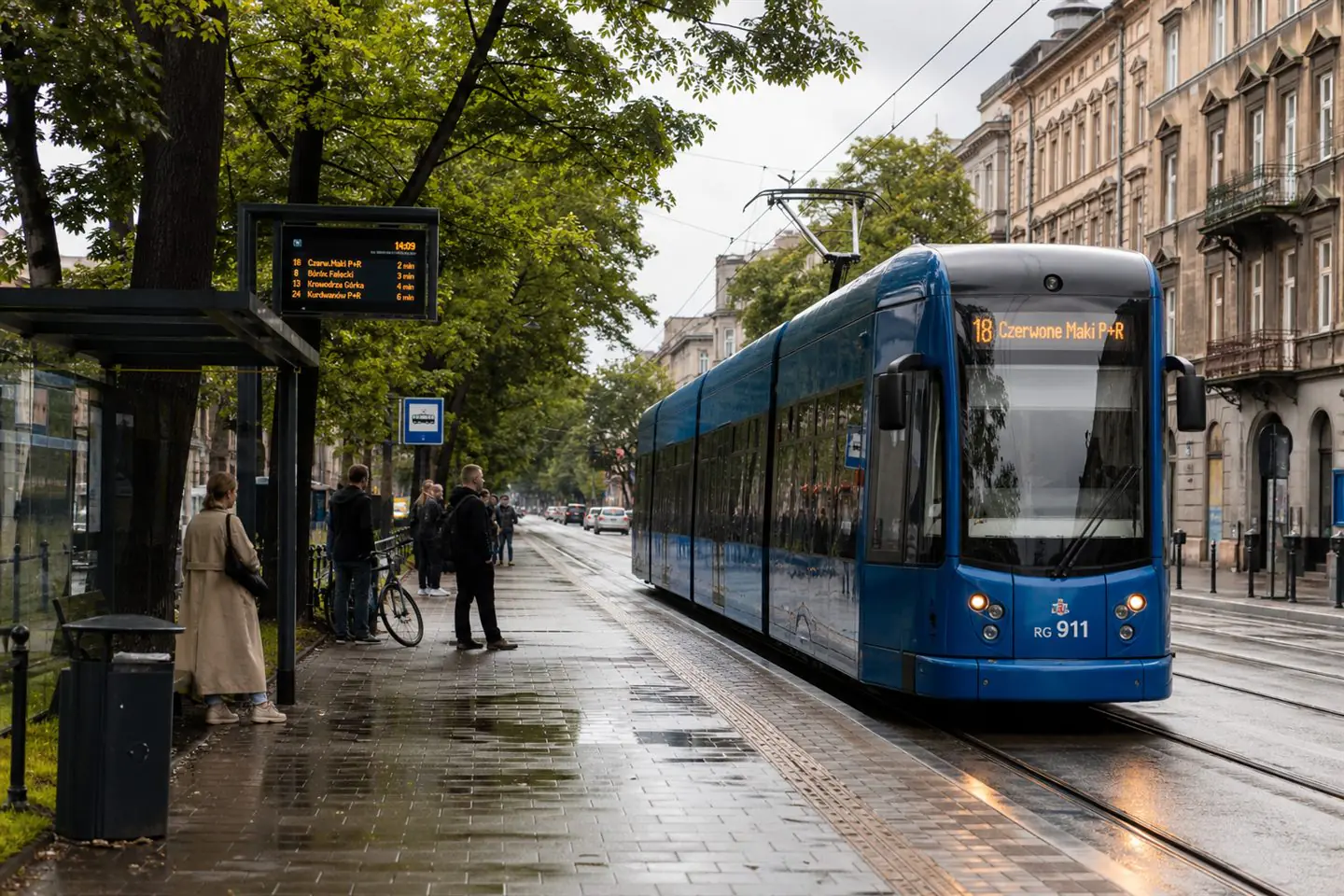
Transport changes the calculation. A cheaper address can cost more if it adds transfers, late-night taxi dependence, or a car. A more expensive address can become rational if it reduces commuting and gives access to public services. That is why Warsaw living-cost articles must read housing and mobility together.
The useful reader exercise is to build three budgets: survival, stable, and comfortable. Then test each against housing, transport, food, and one emergency. If one broken laptop or one rent rise collapses the plan, the city is not affordable in the way the salary headline suggests.
Sources
Statistics PolandUrząd Statystyczny w WarszawieAccessed: 08 Jun 2026Narodowy Bank PolskiRynek nieruchomościAccessed: 08 Jun 2026WTP WarsawWarszawski Transport PublicznyAccessed: 08 Jun 2026Found an error? Request a correction.