Published 05 Jun 2026. For services, prices, and deadlines, verify the latest information with the linked sources.
Warsaw housing is expensive because several pressures meet in the same city. Demand is supported by jobs, universities, migration, public administration, and services. Supply is shaped by land, planning, construction costs, developer risk, and infrastructure timing. Credit conditions then decide how much demand can become a transaction.
What to know
NBP’s housing-market materials are a necessary source because they track prices and market conditions across major Polish cities. GUS regional statistics add the city context: population, employment, wages, business activity, and housing completions. Neither source alone answers the whole question, but together they stop the conversation from becoming pure anecdote.
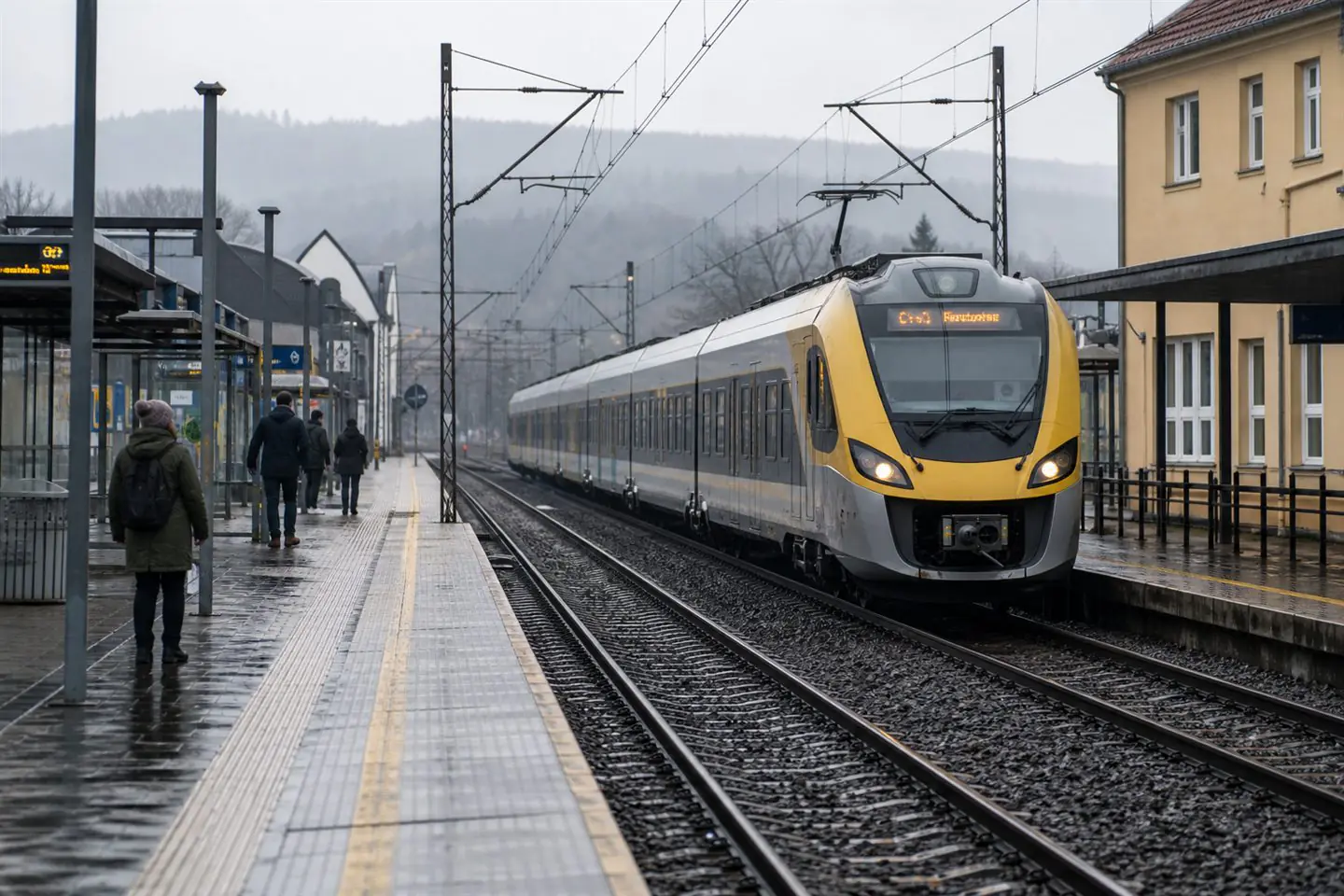
The transport map also matters. A cheaper flat far from reliable rail, tram, or metro service may become expensive in time, stress, and car dependence. Conversely, a planned line can change expectations before it changes daily travel. This is why housing coverage should read city budgets and infrastructure plans alongside price reports.
For buyers and renters, the practical conclusion is modest but important: do not read Warsaw housing through one average price. Ask what kind of dwelling, which district, what commute, what legal status, what monthly cost, and what public services nearby. The market is one city, but it is not one experience.
Sources
Narodowy Bank PolskiRynek nieruchomościAccessed: 08 Jun 2026Statistics PolandUrząd Statystyczny w WarszawieAccessed: 08 Jun 2026City of WarsawBudżet miasta na 2026 rok przyjęty przez Radę WarszawyAccessed: 08 Jun 2026Found an error? Request a correction.