Published 07 Jun 2026. For services, prices, and deadlines, verify the latest information with the linked sources.
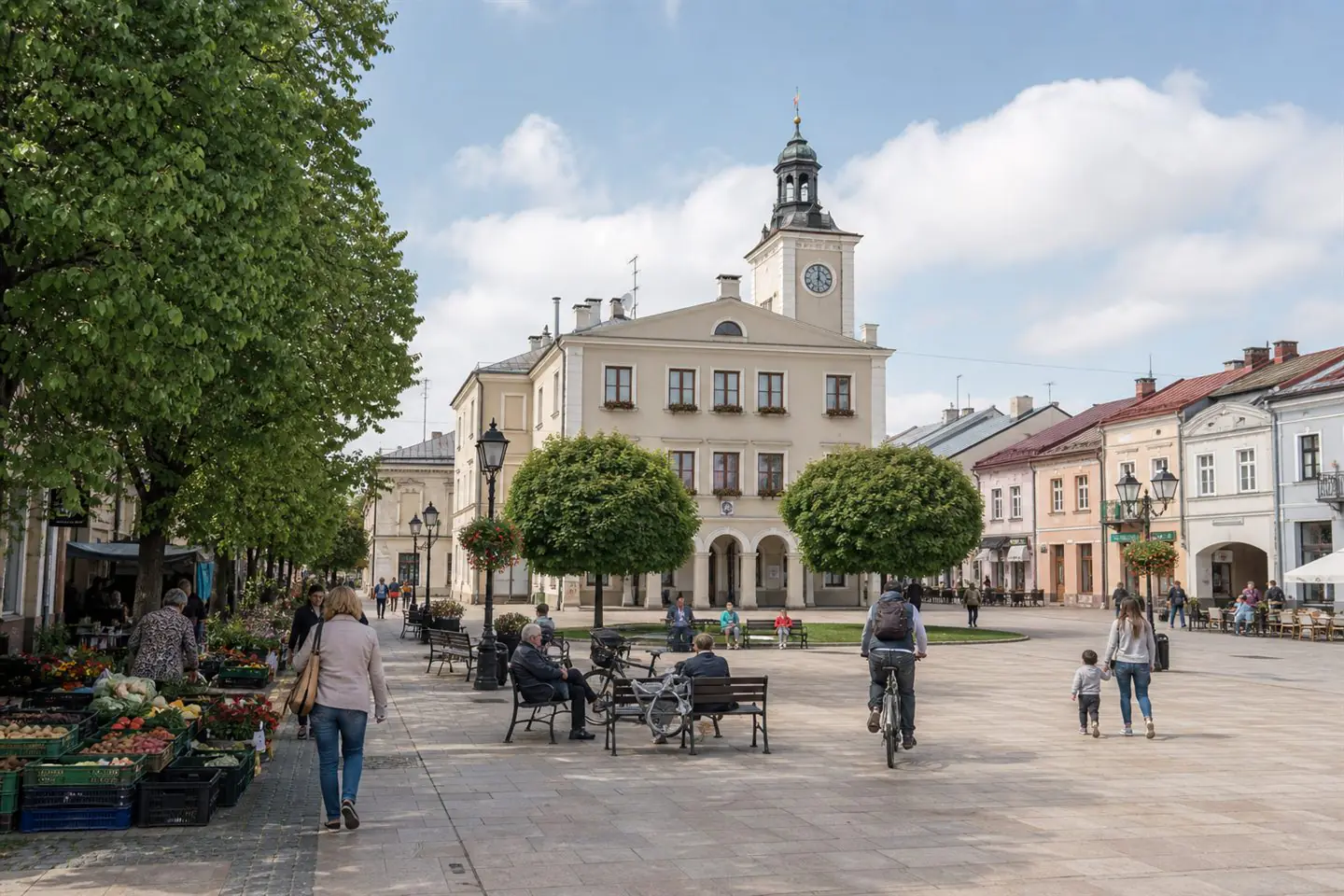
The quickest mistake a reader can make with Krakow is to treat the historic centre as scenery. The UNESCO listing is often encountered as a label attached to Rynek Główny, Wawel, and Kazimierz, but the more useful reading is structural: the protected core is where administration, tourism, housing, memory, universities, worship, nightlife, transport, and ordinary errands still collide in a compact area.
What to know
UNESCO describes the Historic Centre of Krakow as covering the medieval chartered city, the Wawel Hill complex, and Kazimierz, the former town associated with the city’s Jewish heritage. That frame matters because it prevents a narrow Old Town-only story. A walk from Planty to Kazimierz is not a move from monument to entertainment zone; it is a crossing through layers of power, commerce, migration, trauma, restoration, and present-day business.
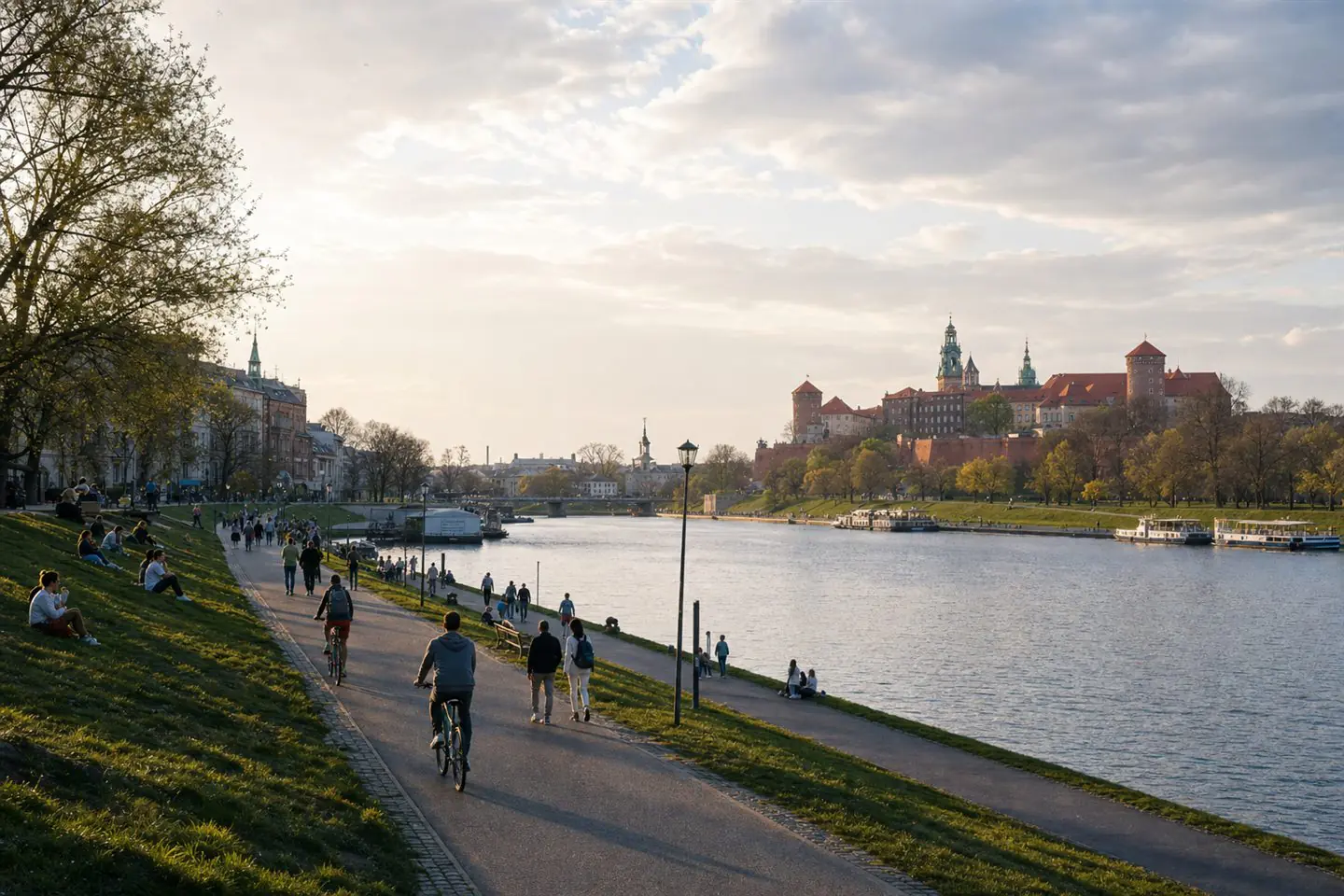
For visitors, the practical lesson is to slow down the route. The Main Square is not the whole argument. Wawel explains royal and religious authority; Kazimierz and the route toward Podgórze ask harder questions about memory and how a city sells cultural identity without flattening it. The Vistula riverfront then changes the tempo again, turning the historic centre from a museum-like object into a connected public landscape.
What it means
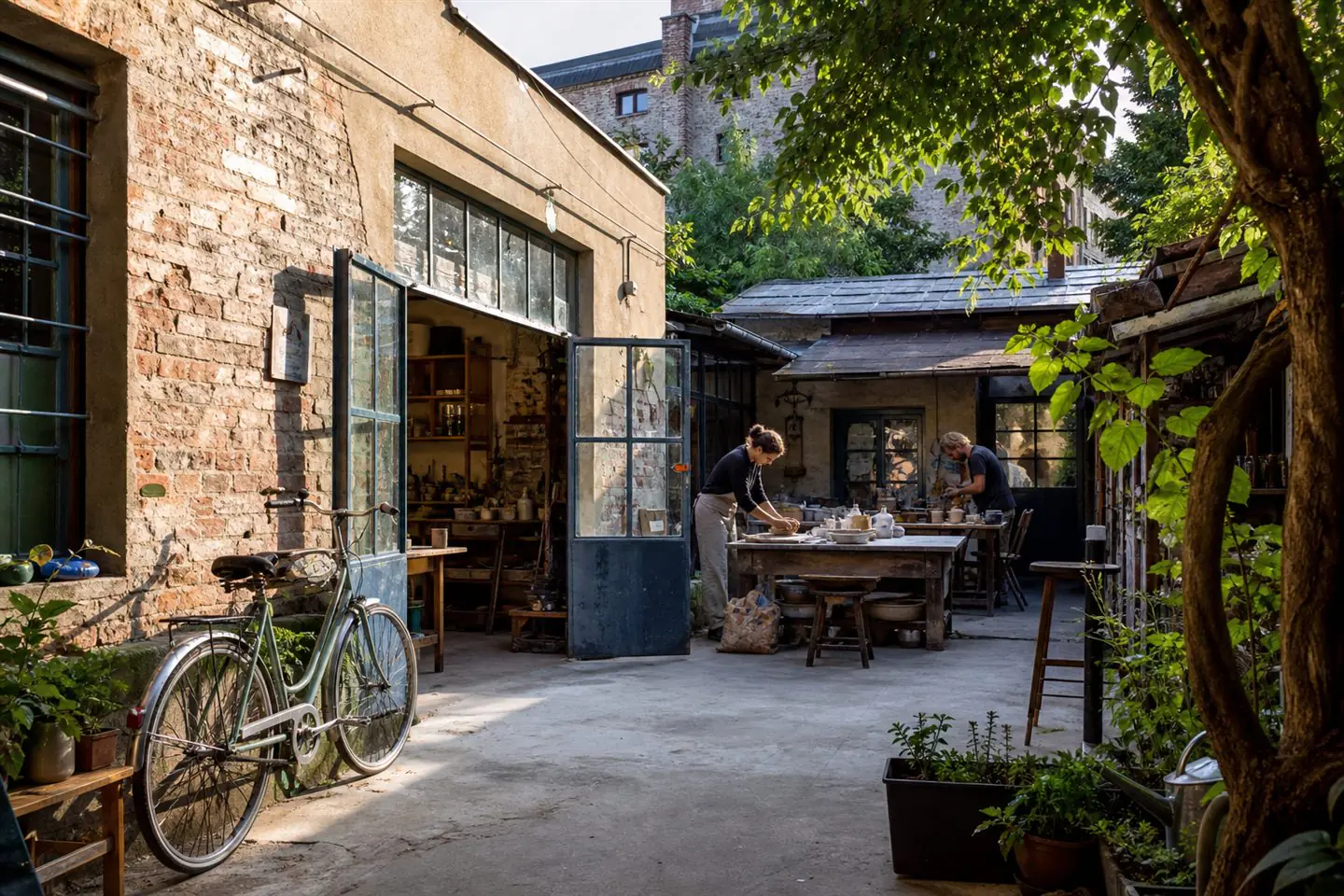
For residents, the UNESCO frame creates a permanent tension. Protection can keep irreplaceable urban fabric alive, but it can also make everyday changes slower and more expensive. Streets must carry delivery vans, trams, school groups, wedding guests, workers, and people just trying to cross town. Good city policy begins by admitting that heritage is not separate from logistics.
Vistula Ledger will treat the centre as a living civic document. That means no breathless claims about a single new cafe, no invented quotes from officials, and no pretending that every debate is a crisis. The durable question is simpler and harder: how does a globally recognized place remain useful to the people who keep living in it?
Sources
UNESCO World Heritage CentreHistoric Centre of KrakowAccessed: 08 Jun 2026City of KrakowKrakow official city portalAccessed: 08 Jun 2026Found an error? Request a correction.