Published 29 May 2026. For services, prices, and deadlines, verify the latest information with the linked sources.
Nowa Huta is too often presented as a contrast object: socialist city against medieval Krakow, monumental avenue against old lanes, steel history against cafe culture. The contrast is useful for five minutes and then becomes lazy. Nowa Huta is not an add-on to Krakow’s story. It is one of the places where Krakow’s twentieth-century argument is most legible.
What to know
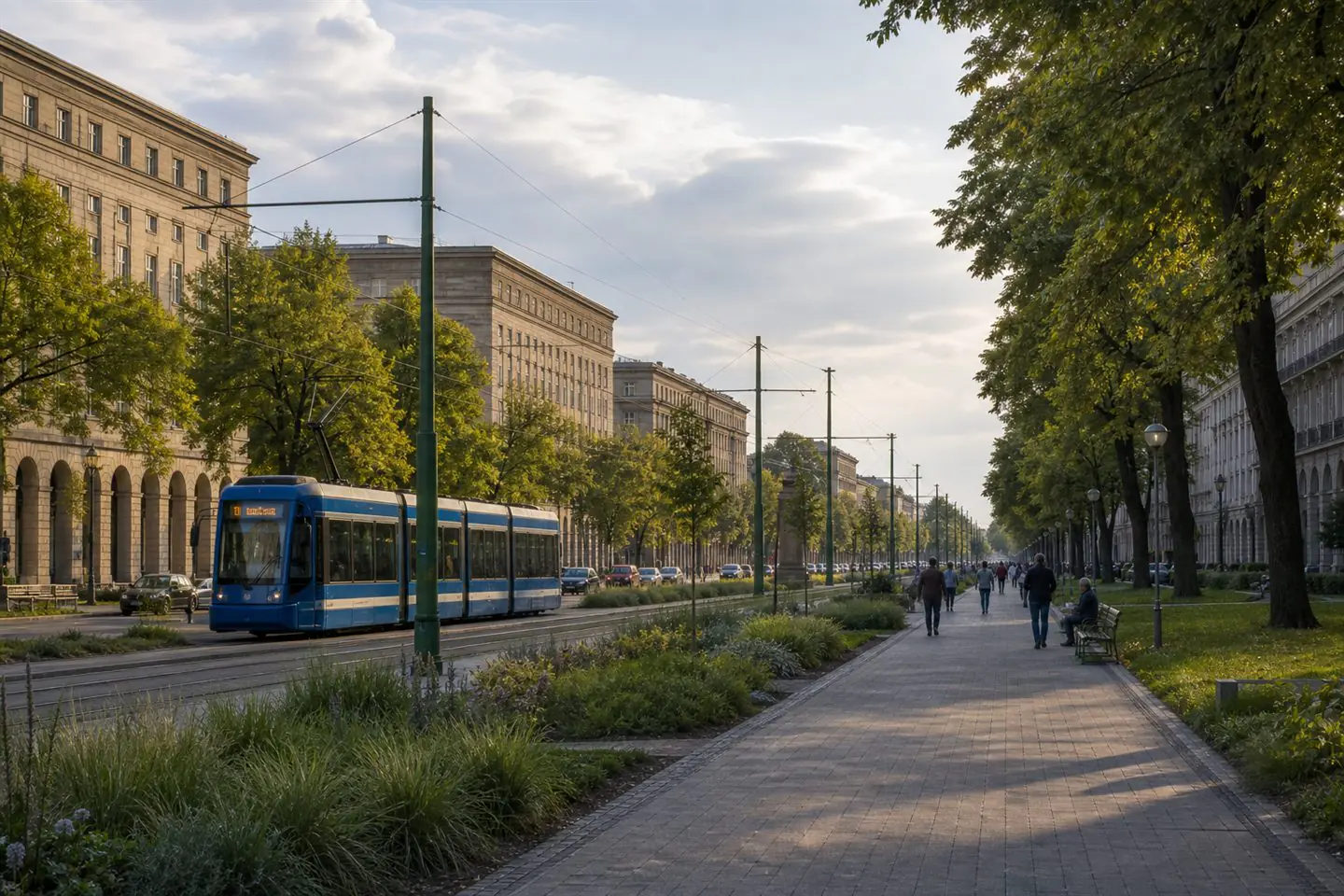
A better visit begins with urban form. Wide avenues, green axes, planned housing, civic squares, and tram corridors were not accidental. The district asks readers to look at planning as politics, but also at planning as daily life: sunlight in courtyards, walking distances, schools, shops, trees, and the feeling of a residential district built with a strong public idea.
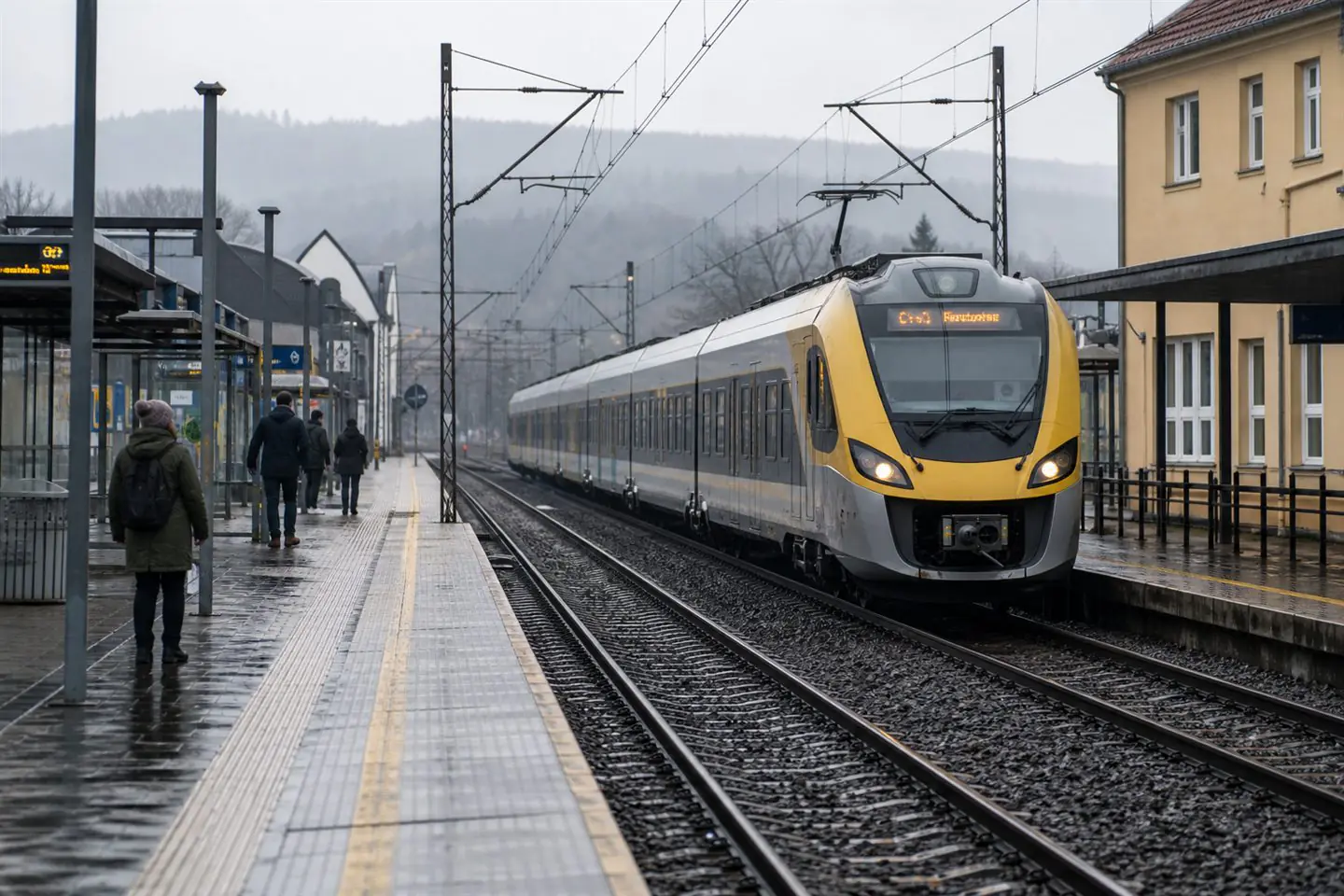
Transport matters because Nowa Huta is best understood as connected rather than remote. The tram ride from the centre is part of the reading. It shows the city stretching through layers of residential, industrial, commercial, and green space. A guide that treats the journey as an inconvenience misses the whole point.
What it means
Today’s Nowa Huta is not only a museum of ideology. It is a lived district with renovation pressures, cultural venues, parks, churches, markets, and residents whose relationship to the place cannot be reduced to political nostalgia. The strongest stories here ask how inherited urban form can support contemporary life without being turned into a themed backdrop.
Vistula Ledger will cover Nowa Huta with the same standard we apply to the Old Town: source first, cliché last. When we mention history, we will connect it to streets, transport, housing, and people’s daily routines. That is where the district stops being a symbol and starts being a city.
Sources
City of KrakowKrakow official city portalAccessed: 08 Jun 2026MPK KrakówRozkłady jazdyAccessed: 08 Jun 2026Found an error? Request a correction.