Published 28 May 2026. For services, prices, and deadlines, verify the latest information with the linked sources.
A new publication has no right to borrow trust from the shape of a newspaper. Mastheads, article cards, newsletters, and category labels can make a site feel established long before it has earned a relationship with readers. That is why Vistula Ledger’s first production standard is visible sourcing.
What to know
The launch archive is not a live breaking-news desk. It is a set of source-based explainers and guides about Krakow, Poland, and wider urban questions. Each piece links to the official or institutional materials used to frame the article. When the article is analysis, the sources show the ground under the argument rather than pretending to prove every judgement.
This matters especially if automation is added later. AI tools can help research, structure, translate, and draft, but they can also manufacture confidence where a human editor should slow down. The rule should be simple: automation may assist the newsroom, but it must not invent people, quotes, events, statistics, or urgency.
What it means
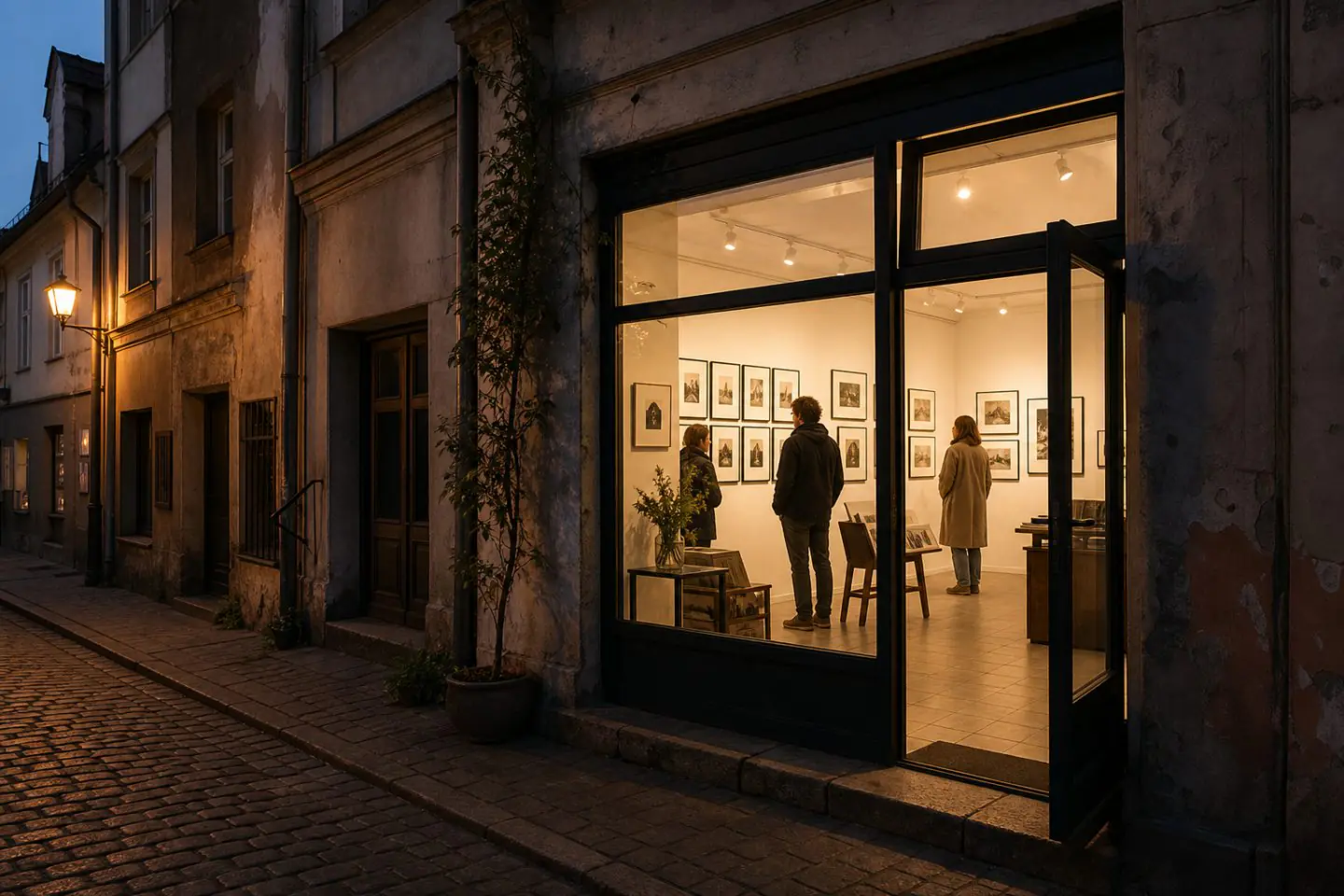
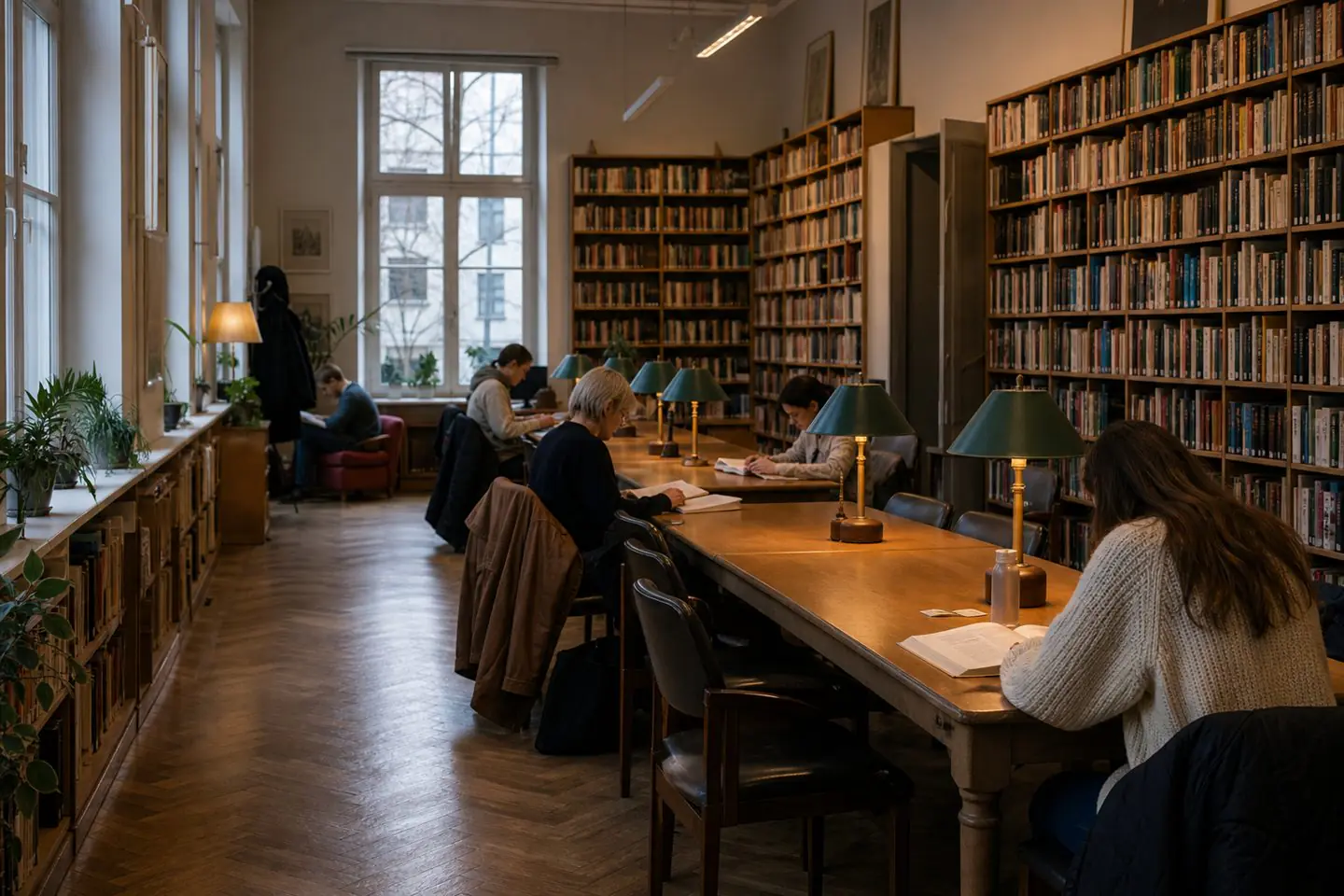
The same rule applies to images. Vistula Ledger uses local editorial visuals, and those visuals are labelled as illustrative rather than documentary evidence of a specific current event. That distinction protects readers and protects the publication from implying that a generated or staged image proves something it does not prove.
Trust grows from boring habits: exact dates, source links, corrections when needed, clear labels, and a willingness to publish fewer pieces when the sourcing is weak. That is a stronger foundation for a Krakow-based bilingual publication than pretending to be a wire service on day one.
Sources
Google Search CentralGoogle Search guidance about AI-generated contentAccessed: 08 Jun 2026OpenAI Platform DocsWeb searchAccessed: 08 Jun 2026OpenAI Platform DocsStructured model outputsAccessed: 08 Jun 2026Found an error? Request a correction.