Published 31 May 2026. For services, prices, and deadlines, verify the latest information with the linked sources.
Infrastructure news often arrives as isolated announcements: a station, a tram route, a road rebuild, a tender, a delay. Residents experience it differently. They experience a map of waiting, disruption, transfers, future value, and daily time. That is why transport investment should be read geographically first.
What to know
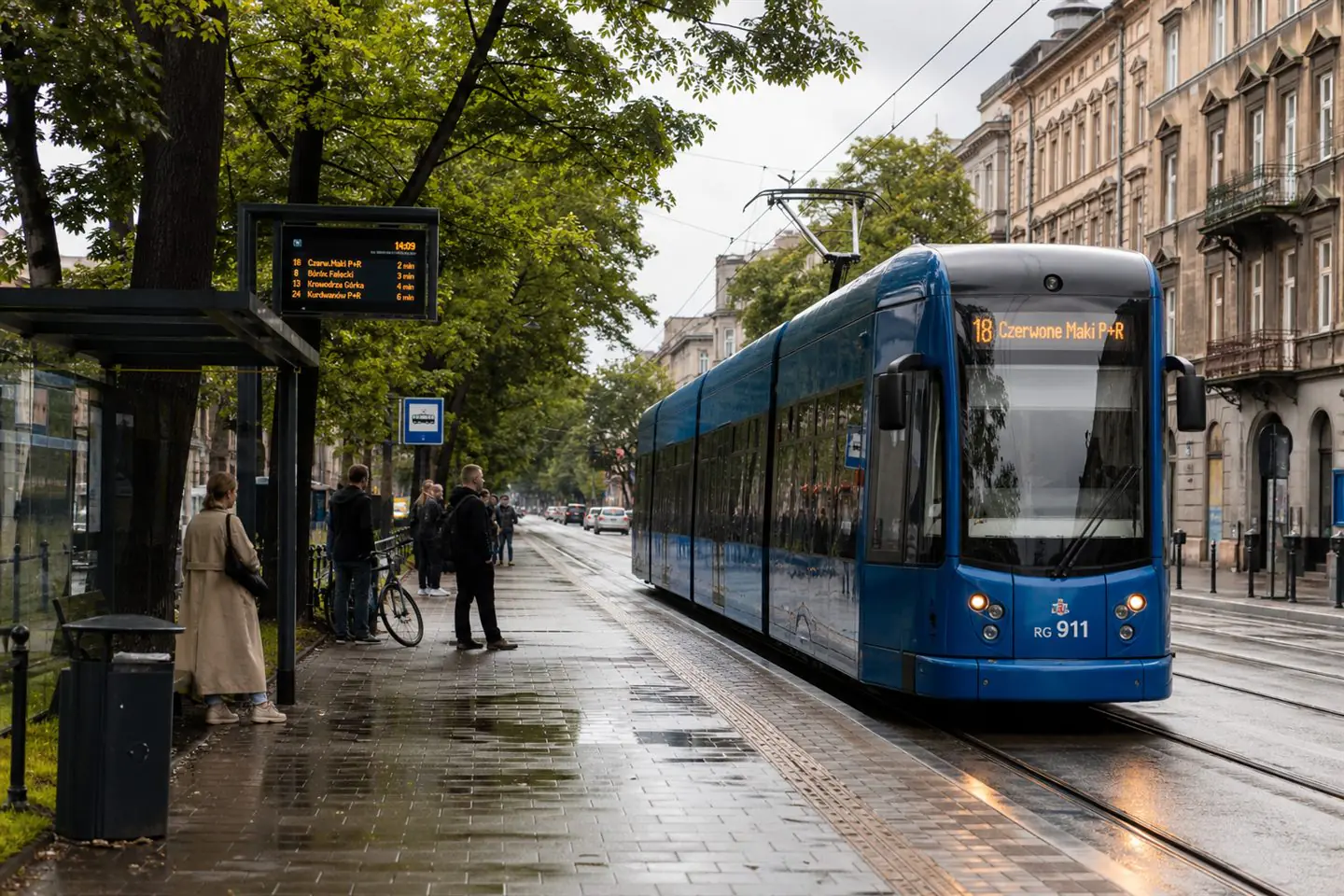
Warsaw’s 2026 budget materials put metro extensions, tram planning, major street projects, and public transport subsidy into one financial frame. WTP tells the daily network story, Metro Warszawskie tells the rail backbone story, ZDM tells much of the street story, and GDDKiA matters where national roads shape the city edge.
A good transport article should ask which district gains practical access, which district absorbs construction pain, which interchange becomes easier, and whether the project reduces car dependence or simply moves congestion. It should also separate funded work from early planning; both matter, but they are not the same promise.
For readers, the useful habit is to keep four layers open: current service, construction, approved funding, and long-term planning. A single ribbon-cutting does not explain mobility. A city changes when those four layers begin to align.
Sources
WTP WarsawWarszawski Transport PublicznyAccessed: 08 Jun 2026Metro WarszawskieMetro WarszawskieAccessed: 08 Jun 2026ZDM WarsawZarząd Dróg Miejskich w WarszawieAccessed: 08 Jun 2026GDDKiAGeneralna Dyrekcja Dróg Krajowych i AutostradAccessed: 08 Jun 2026Found an error? Request a correction.