Published 30 May 2026. For services, prices, and deadlines, verify the latest information with the linked sources.
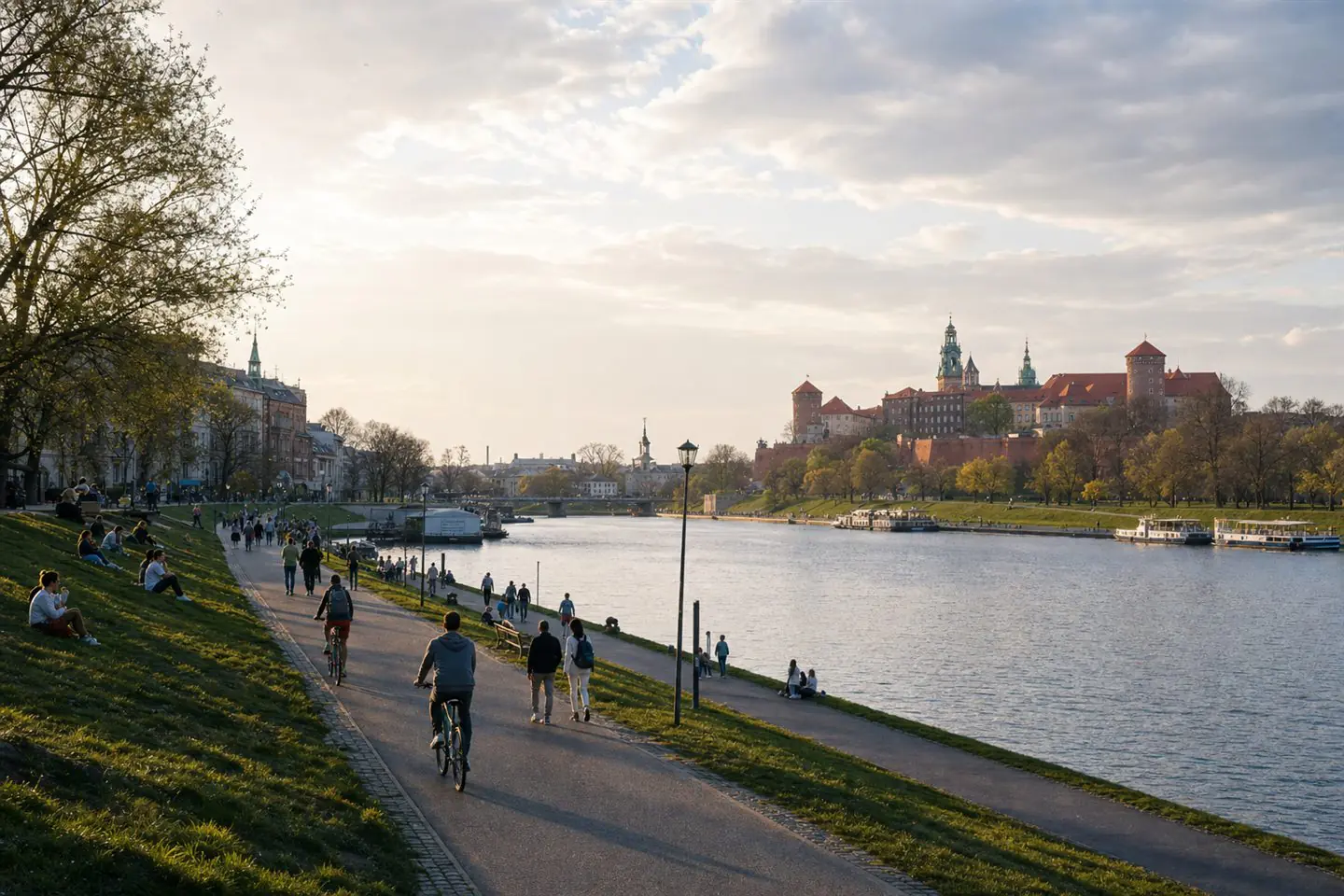
Warsaw’s Vistula story is not only a story of boulevards. The river shaped trade, defense, settlement, symbolic geography, wartime destruction, postwar reconstruction, and today’s leisure economy. A city that turns away from the river for part of its history can later rediscover it as public space, but not without conflict.
What to know
The Museum of Warsaw is a useful source because it treats the city through objects, stories, and urban memory rather than through a single tourist route. Go To Warsaw adds the visitor layer: how the city presents itself now, which places it invites people to see, and what kind of riverfront experience it wants to sell.
A river-history feature should resist nostalgia. The Vistula was never only scenic. It carried goods, risks, smells, labor, military logic, and uneven access. The modern riverfront inherits all of that, even when the language changes to recreation, ecology, and culture.
The best reading route is therefore double. Walk the river as a present-day public place, but keep asking what each bank once did, who crossed it, who worked beside it, who was excluded from it, and why the city still argues about how close to come to the water.
Sources
Museum of WarsawMuzeum WarszawyAccessed: 08 Jun 2026Warsaw Tourism OfficeGo To WarsawAccessed: 08 Jun 2026City of WarsawWarsaw official city portalAccessed: 08 Jun 2026Found an error? Request a correction.