Published 01 Jun 2026. For services, prices, and deadlines, verify the latest information with the linked sources.
A heatwave is often reported as a temperature record. For cities, that is only the visible edge of the problem. The deeper issue is whether public health systems, housing, transport, care networks, schools, employers, and public space can keep functioning when nights stay hot and recovery time disappears.
What to know
WHO Europe’s heat-health guidance treats heat as a preventable health risk when authorities plan early. That planning includes warning systems, targeted communication, coordination with health and social services, and attention to people who are older, isolated, chronically ill, working outdoors, or living in overheated housing. The important word is coordination: heat response is not owned by one department.
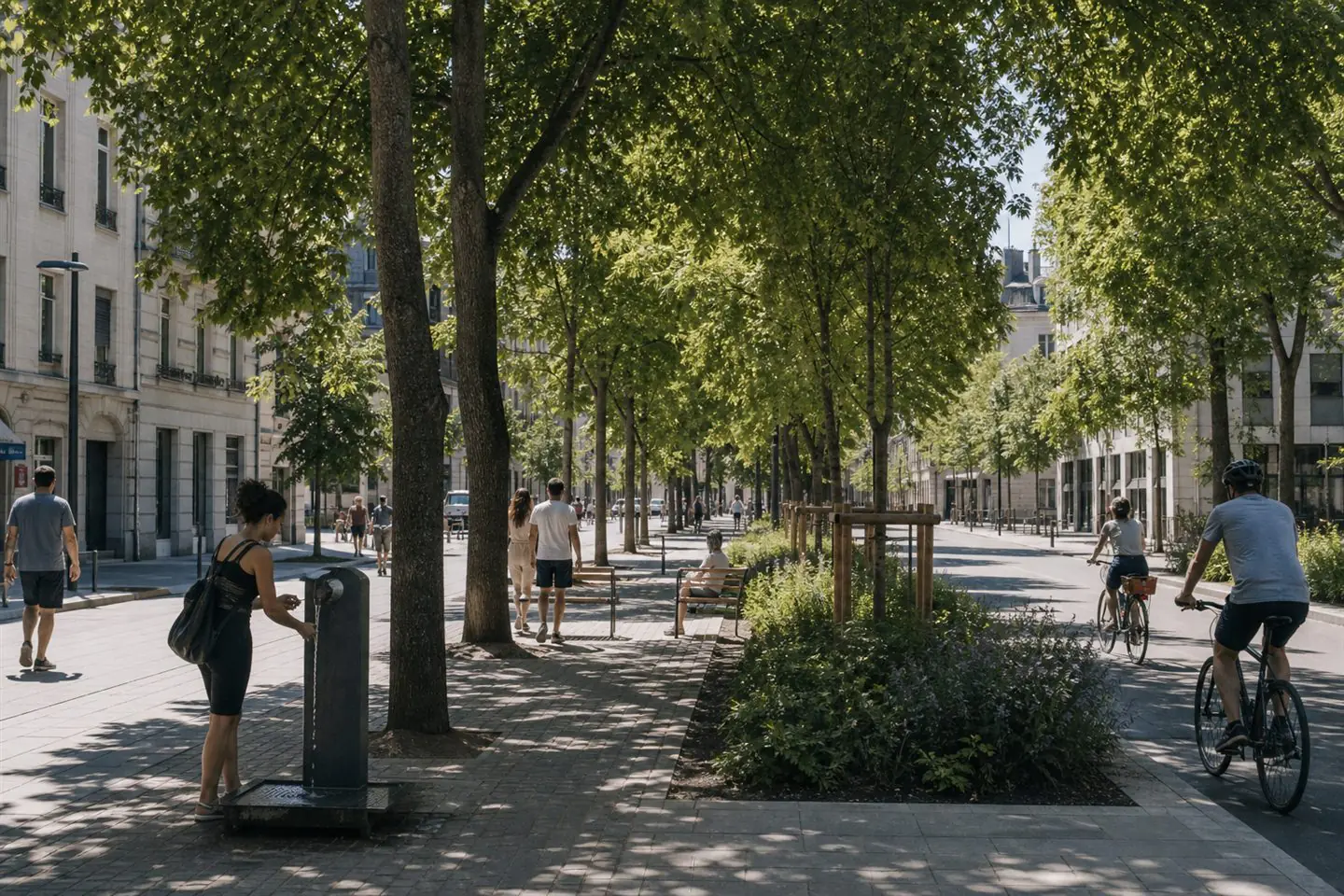
European adaptation guidance adds the urban design layer. Shade, trees, water management, cool public buildings, permeable surfaces, and transport shelters are not decorative improvements during hotter summers. They are part of the city’s safety equipment. A tram stop without shade or a flat without nighttime cooling becomes a health issue before it becomes a comfort issue.
What it means
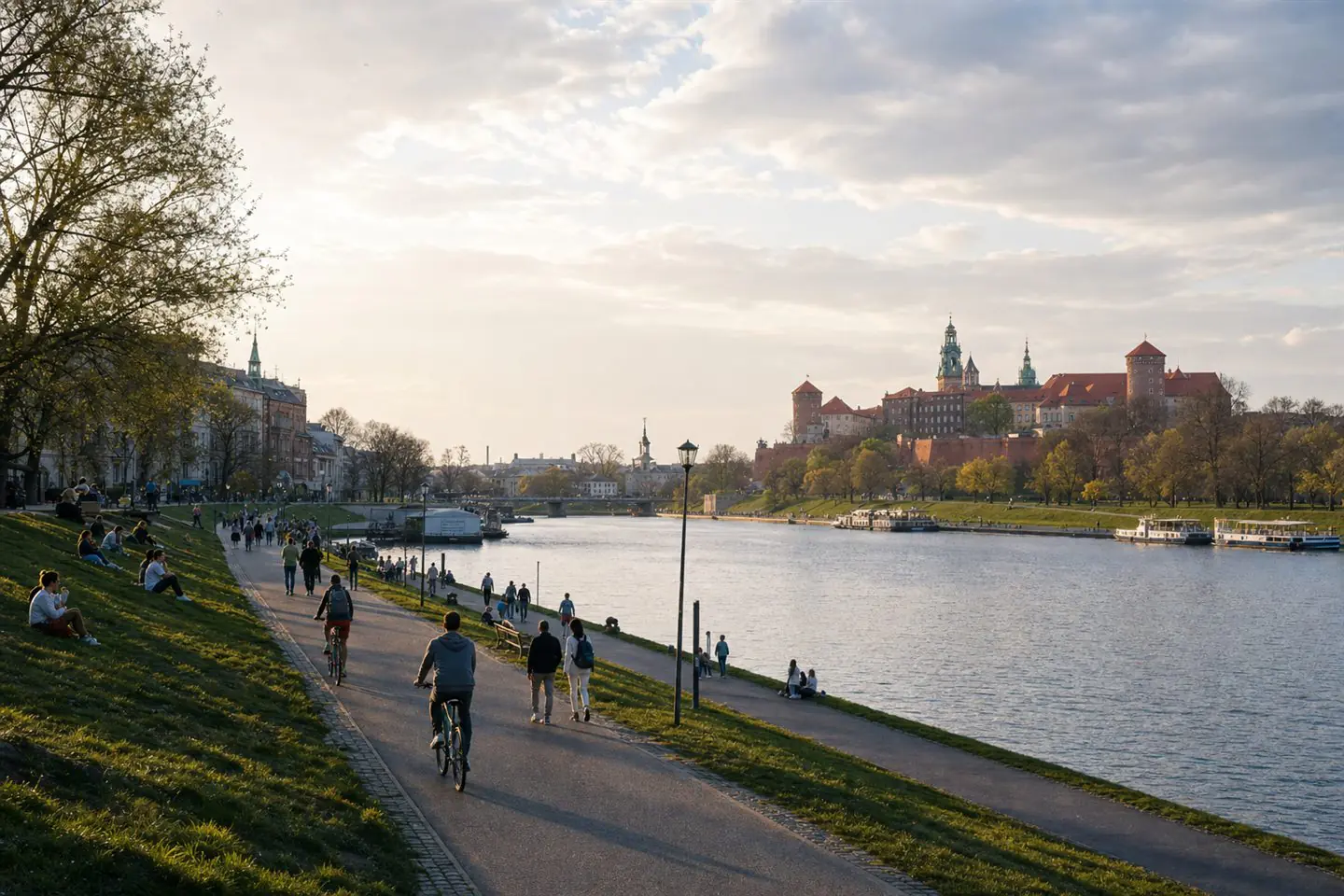
Krakow belongs in this wider European story. The city has dense historic streets, parks, river corridors, apartment blocks from different periods, and a daily rhythm that depends heavily on walking and public transport. Heat planning here cannot simply copy a Mediterranean model or a northern-city model. It has to read local building stock, age profiles, tourist pressure, and air-quality history together.
Vistula Ledger will cover climate adaptation by asking who benefits from each measure and who remains exposed. A city can announce a tree-planting target, but residents need to know where shade will actually appear, when it will mature, which stops and squares stay hot, and how health services communicate before the next extreme week arrives.
Sources
WHO Regional Office for EuropeHeat-health action plansAccessed: 08 Jun 2026Climate-ADAPTUrban adaptation in Europe: what works?Accessed: 08 Jun 2026Found an error? Request a correction.