Published 08 Jun 2026. For services, prices, and deadlines, verify the latest information with the linked sources.
Heat adaptation is often discussed as a global city trend, but it becomes credible only at pavement level. Warsaw’s official green-space pages describe a city where parks, squares, allotments, gardens, street greenery, and unmanaged green areas form a measurable part of the urban surface. The political promise is not simply more pleasant scenery; it is a cooler, more walkable city.
What to know
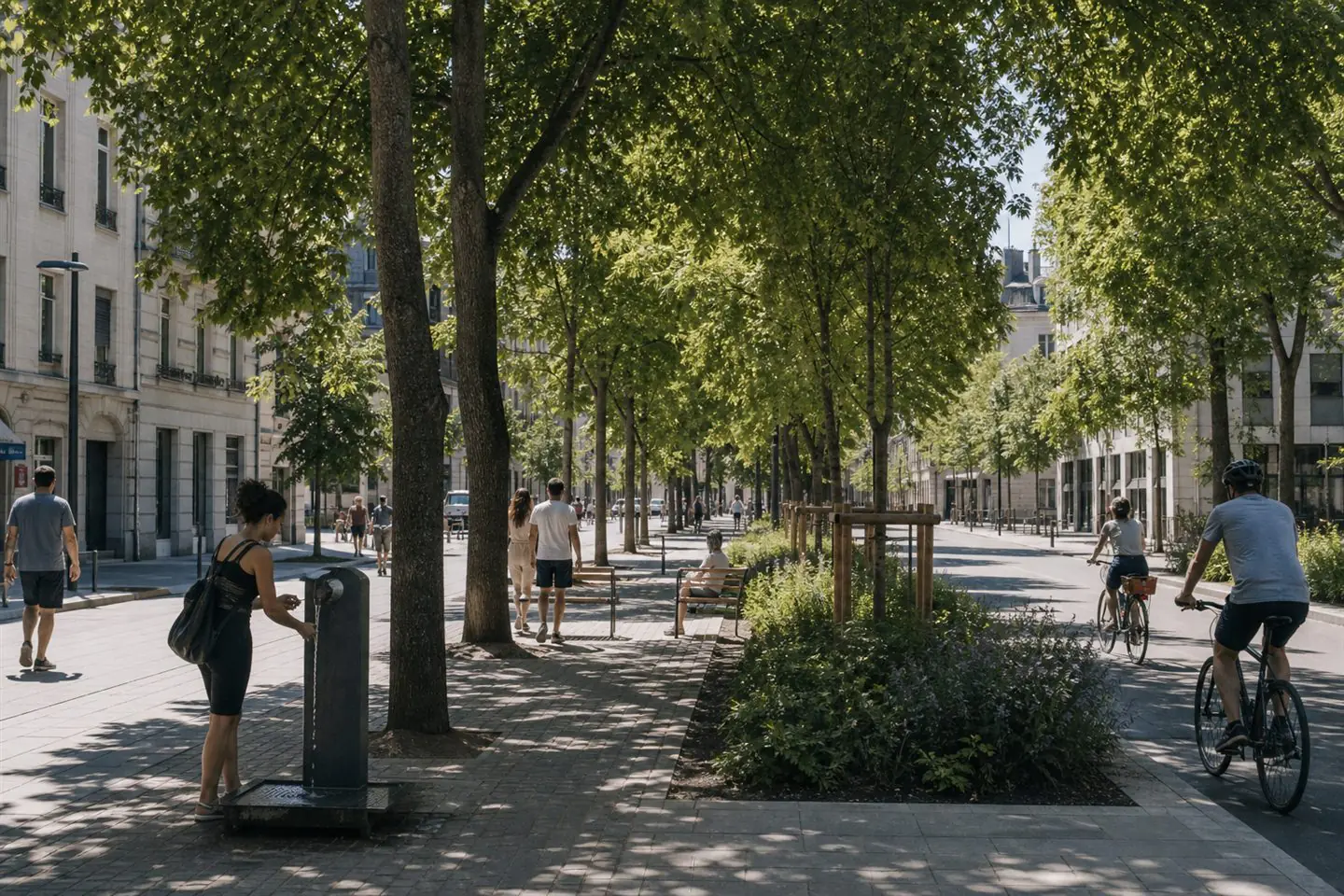
The "green instead of concrete" language is strongest when it is attached to specific places and maintenance responsibilities. Removing hard surface, planting trees, adding rain gardens, and changing parking geometry can all improve comfort, but they also create questions about watering, soil volume, accessibility, winter maintenance, and whether the result survives the first dry season.
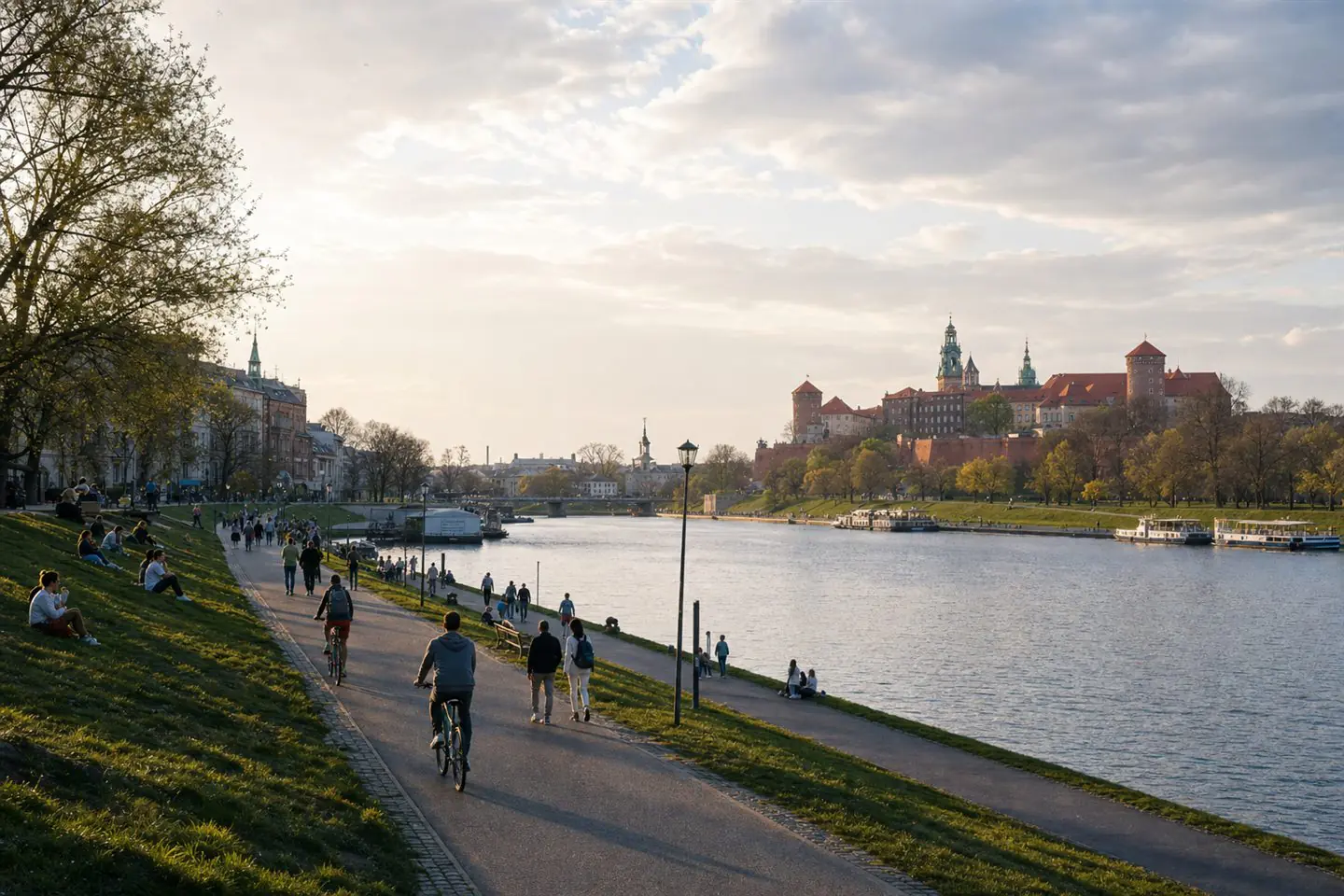
For readers in Krakow, Warsaw offers a useful comparison rather than a template. Historic centres, river corridors, rail corridors, and postwar districts do not heat or cool in the same way. What travels between cities is the habit of asking for proof: where was concrete removed, what replaced it, who maintains it, and how does the space work for older people, children, cyclists, and workers during a heatwave.
The responsible coverage line is clear. A planting announcement is not the same as climate adaptation. Adaptation begins when a street, square, school route, or transport stop becomes measurably easier to use in hot weather and remains that way after the ribbon-cutting photograph has disappeared.
Sources
City of Warsaw EkoZieleń i ochrona przyrodyAccessed: 08 Jun 2026City of WarsawZieleń zamiast betonuAccessed: 08 Jun 2026Zarząd Zieleni m.st. WarszawyMapa terenówAccessed: 08 Jun 2026Found an error? Request a correction.