Published 27 May 2026. For services, prices, and deadlines, verify the latest information with the linked sources.
A public market is not a nostalgic accessory to a modern city. It is a place where economic pressure, food systems, migration, regulation, language, and neighborhood trust become visible at human speed. In European cities, markets often explain more about daily life than a polished dashboard can.
What to know
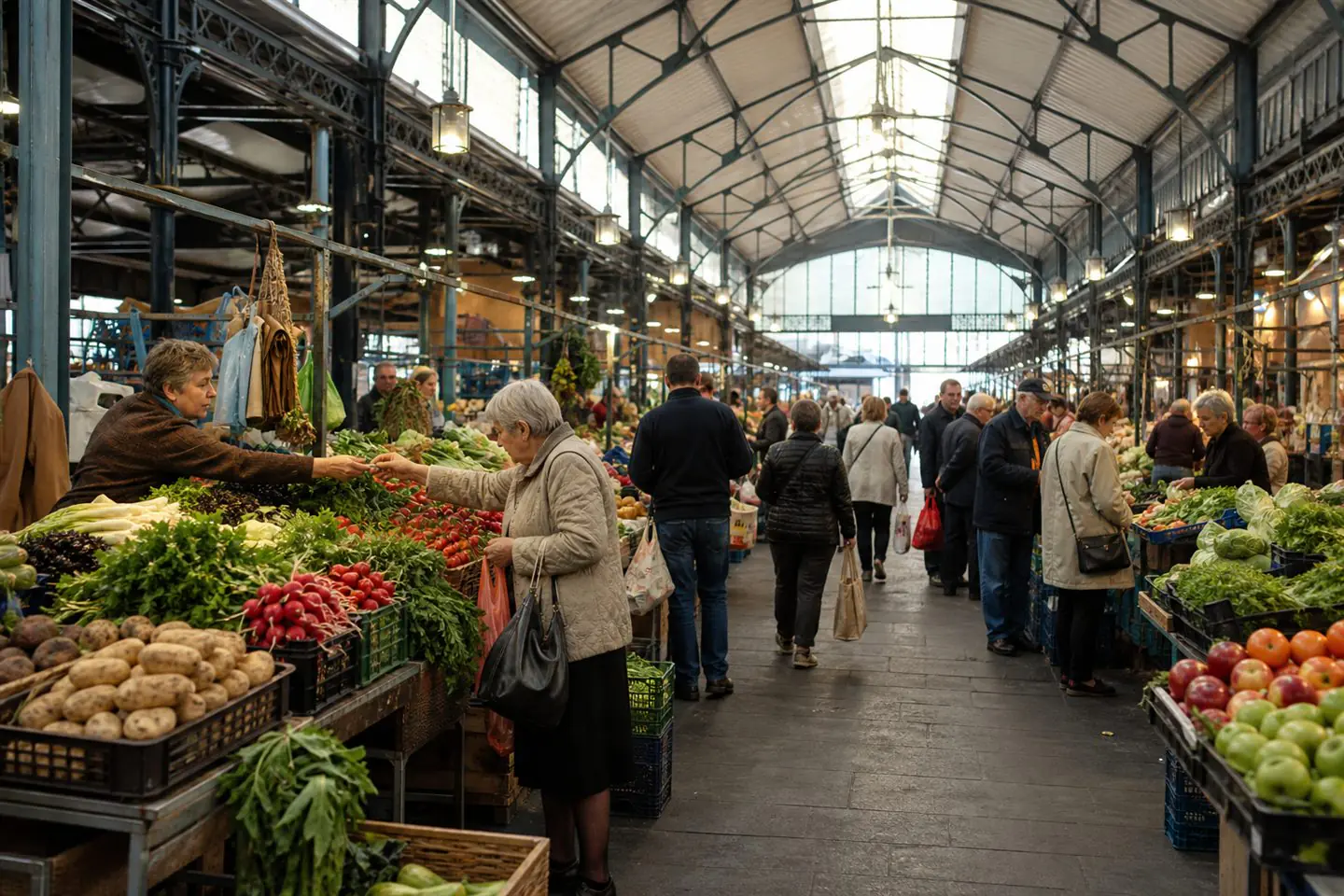
The reader can see several systems at once. Prices reveal household strain before an official report feels personal. Stall turnover shows whether small traders can survive rent and supply costs. Product mix hints at migration, seasonality, and changing diets. The rhythm of older shoppers, parents, delivery workers, and students shows whether the market remains a civic space or has become a stage set.
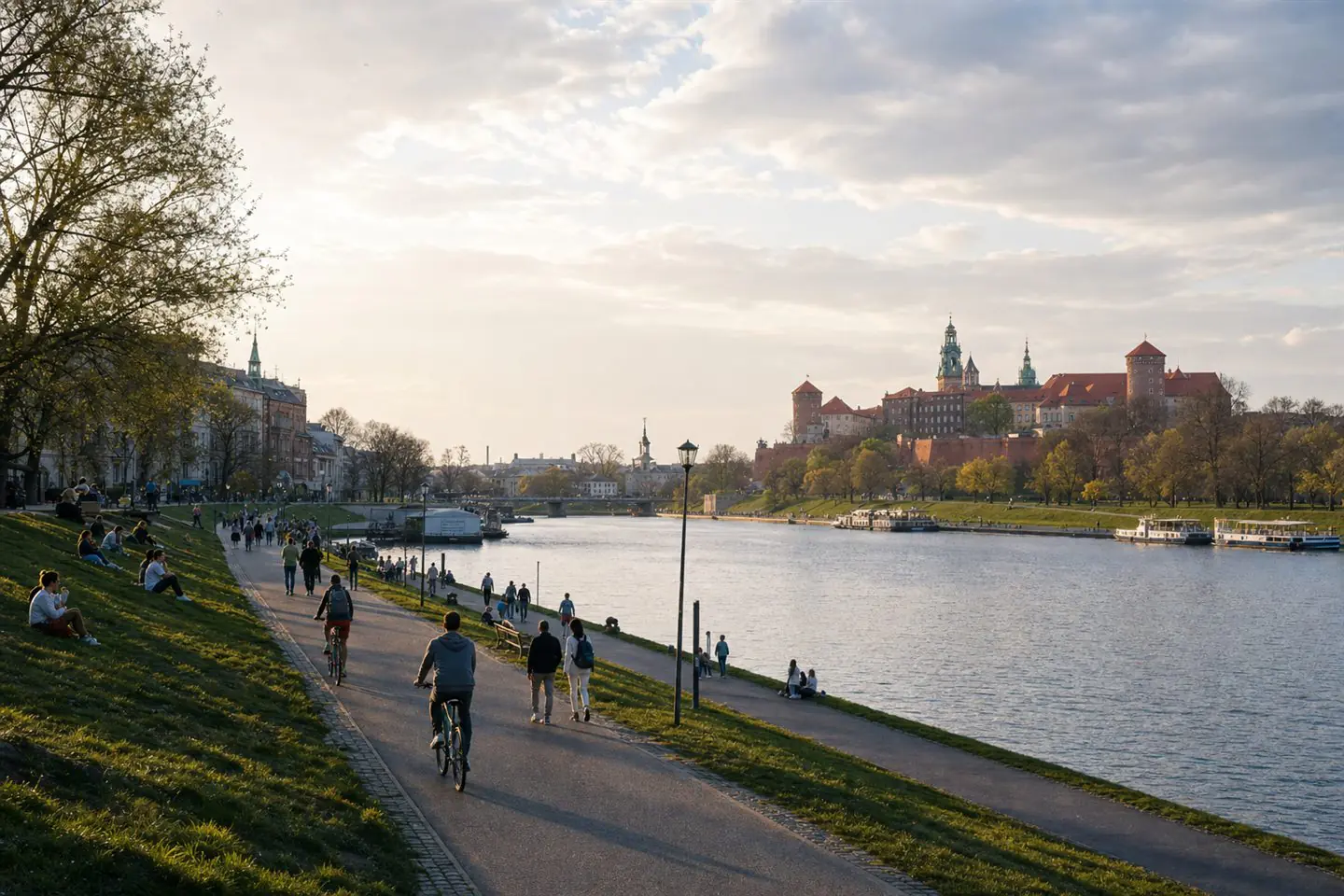
Krakow’s food and neighborhood markets belong in that European frame. They are not separate from tourism, climate, transport, or housing. A market depends on delivery access, shade, public toilets, nearby stops, waste collection, and a mix of customers who do not all arrive for the same reason. When one part weakens, the market becomes less public even if the stalls remain.
What it means
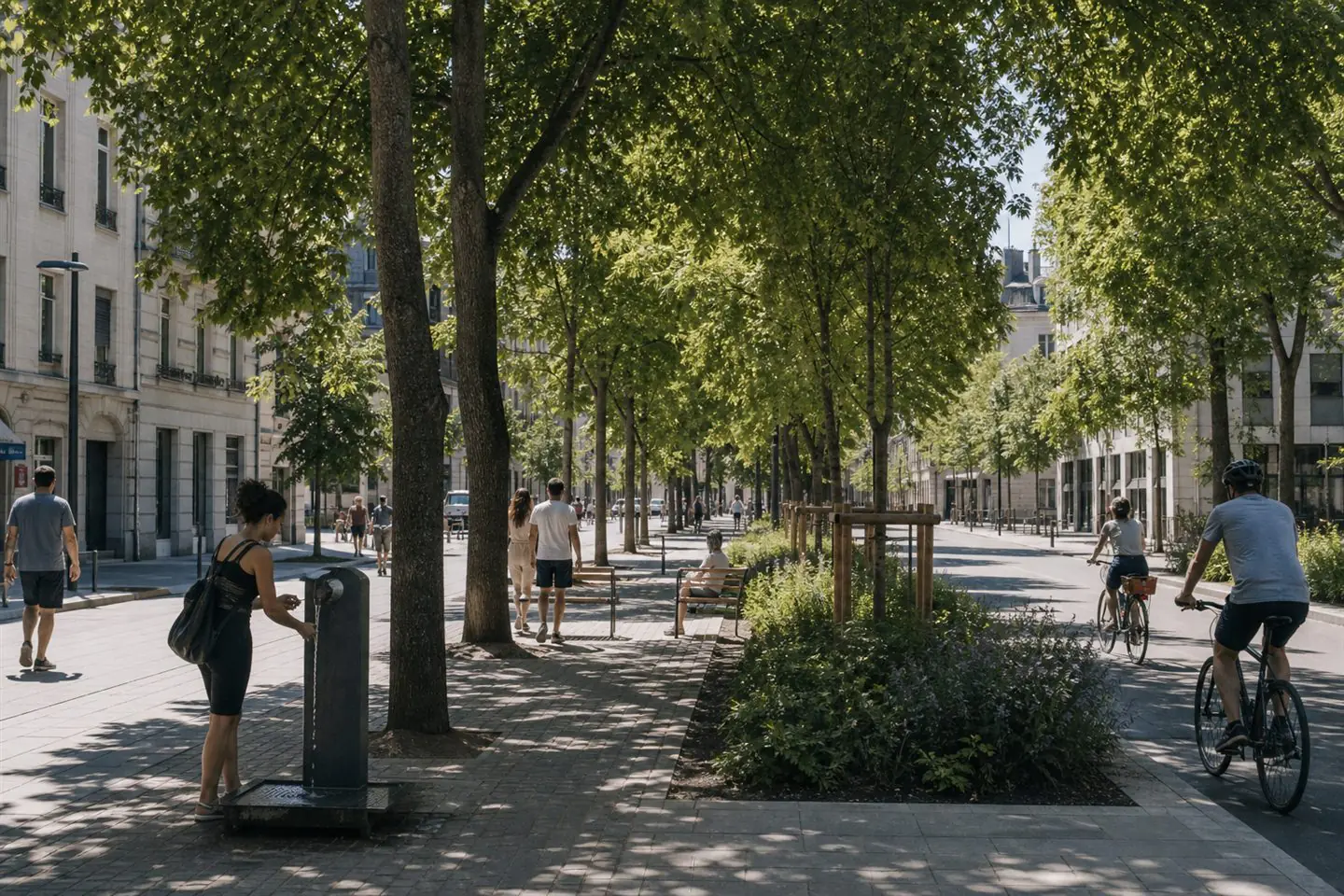
Policy coverage should therefore ask practical questions. Who owns the land? How are rents set? Are traders protected during construction? Can older residents reach the stalls without a long walk? Is there shade during hotter weeks? Are local producers present, or is the market mostly a retail format using the language of locality?
This is world coverage from a Krakow base: looking outward through city systems that readers can recognize at home. The point is not to romanticize markets. It is to treat them as civic infrastructure where the health of a neighborhood becomes visible before it appears in a policy memo.
Sources
Climate-ADAPTUrban adaptation in Europe: what works?Accessed: 08 Jun 2026City of KrakowKrakow official city portalAccessed: 08 Jun 2026Found an error? Request a correction.